
Best Ways to Dehumidify a Room without a Dehumidifier

If you live in an area with high humidity, you already know that the extra moisture in the air can cause a great deal of discomfort. High heat and humidity create a muggy, sticky, uncomfortable environment where you may sweat, but never actually cool off. On the other hand, cool or cold temperatures combined with humidity create a frigid cold that seeps into the bones and makes it seem impossible to get warm. Dehumidifying the air surrounding you can help cure either one of these issues – and it can be done by using natural dehumidifiers rather than resorting to expensive machinery or modification to your heating, ventilation and air conditioning system. But before discussing how to remove humidity from a room without a dehumidifier, it is important to determine how much moisture is in your living areas.
How Do You Know That You Are Living in a Wet Place?
There are simple tests and examinations that will help you to determine this. Living in a damp or humid environment can be difficult, but many people do not know exactly how damp their homes can be.
 There are a number of indicators that can indicate you will need to know how to remove humidity from a room without resorting to a dehumidifier. Some signs are obvious, such as condensation on the inside of windows or walls, water run-off tracks on floors or windowsills, and water damage or stains on various surfaces.
However, other signs may not be noticed unless you are looking for them. Musty odors may be faint – especially if they are resulting from mold spots or water damaged materials that occur out of sight. As mold spores tend to grow better in dark, damp areas, a musty smell may indicate the presence of harmful mold spots growing in areas, such as your attic or basement, or in areas that are less noticeable, such as crawlspaces.
Even if few or none of the signs mentioned here show, you can be absolutely certain if you live in an area that would benefit from knowing how to remove humidity from a room without a humidifier by using a humidistat. A humidistat is an instrument that measures the level of humidity in the air; these monitoring devices are commonly found in dehumidifying units and air conditioning units but can be easily purchased as a stand-alone measuring device.
What Are the Ways to Reduce Moisture Without Dehumidifier?
 Knowing the damage that can occur, many people wonder how to remove humidity from a room without a dehumidifier. While many websites and stores may tell you that a getting a top-class small dehumidifier is the best way to remove humidity from a room, it is not the only way. Despite being efficient, these machines can be costly and can often remain out of a person’s budget.
So what are the ways to reduce moisture without dehumidifiers – or even electricity? Often, cracking open one or more windows will allow air movement, which will create air movement.
This method of removing humidity works well with rooms that have been closed up and haven’t had any drafts, as the moving air will help to wick away humidity in the same manner as wind blowing across a wet cloth.
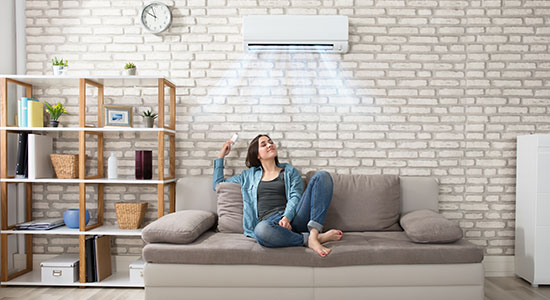 If the weather isn’t cooperating and there seems to be little-to-know breeze, you can use your air conditioner to move the air. However, be certain to replace the filters with your furnace or air conditioner, as clogged or blocked filters restrict air movement and will not only reduce the dehumidifying effect but may also damage these costly machines! If you do not have an air conditioning or furnace system, you can use exhaust fans such as those found in kitchens or bathrooms to create air movement.
In addition to moving the air within a room, there are other methods that will show you how to remove humidity from a room without a dehumidifier. If you use a clothesline to dry washed clothes, try placing the lines outside, as the humidity coming from the clothes will not be trapped in the room.
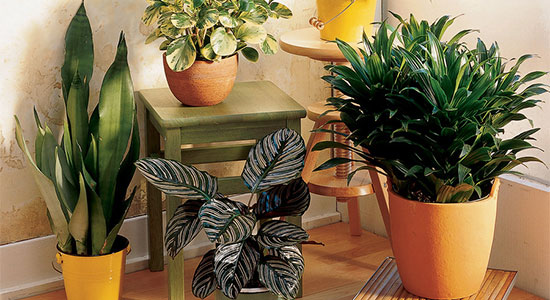 Certain types of houseplants can also release humidity from watering and from the process of absorbing carbon dioxide and converting it into oxygen and humidity.
If these passive measures are not enough, there are some methods and materials you can create yourself that will remove humidity without a dehumidifier. Each of these do-it-yourself dehumidifiers will work – some will work better than others depending on how much humidity you want to remove from a room.
A word of caution first. Older dehumidifying machines and some DIY dehumidifiers use calcium chloride to remove humidity from a room by moving humid air over a bed of this salt. However, releasing calcium chloride molecules into the room air over the course of time can cause lung damage and issues with your respiratory system.
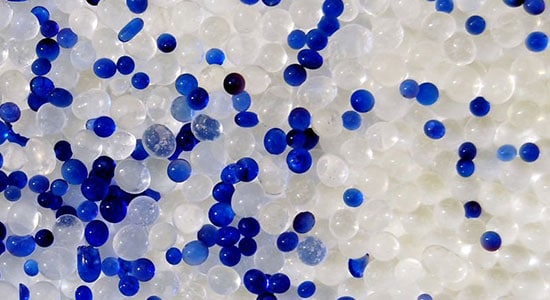 In addition, calcium chloride can cause a caustic reaction with some metals, and with long-term exposure, it will corrode some metals commonly found within the average household. A better alternative is to use silica gel, a common sight in many packaged goods such as vitamins, dried foods and other objects that do not tolerate moisture well. These small packets can be saved and re-utilized, or purchased unused and placed in areas where moisture accumulates, such as cabinets or drawers. It is estimated that 100 grams of silica gel can absorb as much as 25 grams of water before it is rendered inert. This means that a room that is 800 square feet can have its humidity controlled by as little as 400 grams of silica gel without altering the temperature!
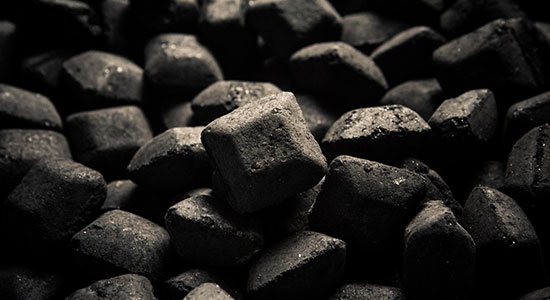 If silica gel is difficult to find, a more simple solution can be created using charcoal briquettes. Much in the same way that a charcoal water filter in a sealed air system will remove water, charcoal briquettes can be used to remove humidity from a room though not so much effectively as an excellent dehumidifier unit. These can be placed in a bowl, wrapped in a towel or even sewn into small pillows using old cloth. An additional benefit of using charcoal briquettes for dehumidifying a room is that it is a natural method of removing odors as well – getting rid of the damp, musty smell often found in basements, attics and other rooms that may not receive a lot of air flow.
Another product that works just as well as charcoal briquettes is baking soda. Well known for absorbing odors and dampness in refrigerators (click to learn more) and cabinets, baking soda can be placed in many rooms within the house, removing humidity and moisture from bathrooms after showers as well as absorbing condensation and water run-off around windows and doors.
It has many cleaning uses as well, making it one of the most useful ways when seeking how to remove humidity from a room without a dehumidifier. This natural remedy can also be used alongside another common household substance: rock salt. For quite some time, salt has been used to pickle and cure meats and vegetables by removing moisture from these food items; it can be used to remove humidity from the room air as well.
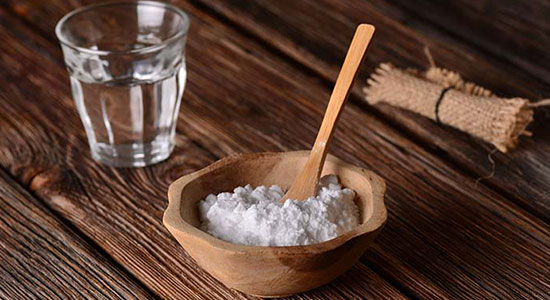 There are a number of ways that rock salt can be used – from placing a small bowl of rock salt and the natural dehumidifier baking soda in a bowl and placing it into damp or musty areas to creating a room dehumidifier using two containers – one container with holes in the sides and bottom of it, placed inside the other container without holes. By pouring the rock salt into the top container and placing it in a room, the humidity will be absorbed from the air and drip through the holes into the bottom container. By emptying this bottom container often and replacing rock salt as it is melted by the absorbed moisture, you can continuously and naturally remove humidity from the air – all without using harsh chemicals or expensive machinery!
But Do Natural Dehumidifiers Work?
While nothing will be as efficient as a dehumidifier unit, these natural dehumidifiers will work effectively, allowing you to remove humidity from a room without breaking the bank account. Each method will have to be tried based on the area you live in, your comfort level and the availability of materials. In fact, some of these methods can be combined to increase efficiency and while using natural dehumidifying agents and saving on electricity and other costly methods used to dry out uncomfortably humid rooms.
Experiment with these methods to increase your health, comfort and home safety while decreasing electrical bills and – most importantly – ensuring you know how to remove humidity from a room without a dehumidifier!
Categorised in: Techniques and skills
3 Comments
Hi, I read through your article. I do have a question though. What is the best way you know of to get pet stains out of carpets? I got a new dog and they’ve made a mess of my carpets. Any help would be greatly appreciated.
I have a 40 year old house trailer 12×65 feet that went thru HARVEY and our meter reads 99% Humidity often. I have a 3 ton A/C unit and my heat is 2 roll-around elec heaters. To dehumidify I am considering turning on the heaters and running the a/c kremove the moisture. Is this an O K method for a quicl fix? Ken
What temperature does the air have to be for the rock salt to work as dehumidifier. I am having a problem with white mold in my second home in the mountains