
HEPA vs Ionic Air Purifiers: What Data Shows

I bought an ionic air purifier first, purely because the store display made it sound futuristic. Three months later my allergist asked what I was running, heard “ionic,” and gently suggested I look into HEPA instead. I was skeptical — until I actually compared how each technology works.
How Each Technology Actually Works
A true HEPA filter is a mechanical barrier: air is forced through a dense mesh of fibers that physically traps particles as small as 0.3 microns. It’s not a marketing term — the EPA identifies fine particles (PM2.5) as the ones that pose the greatest risk to health, and HEPA filtration is rated to capture particles well below that size.
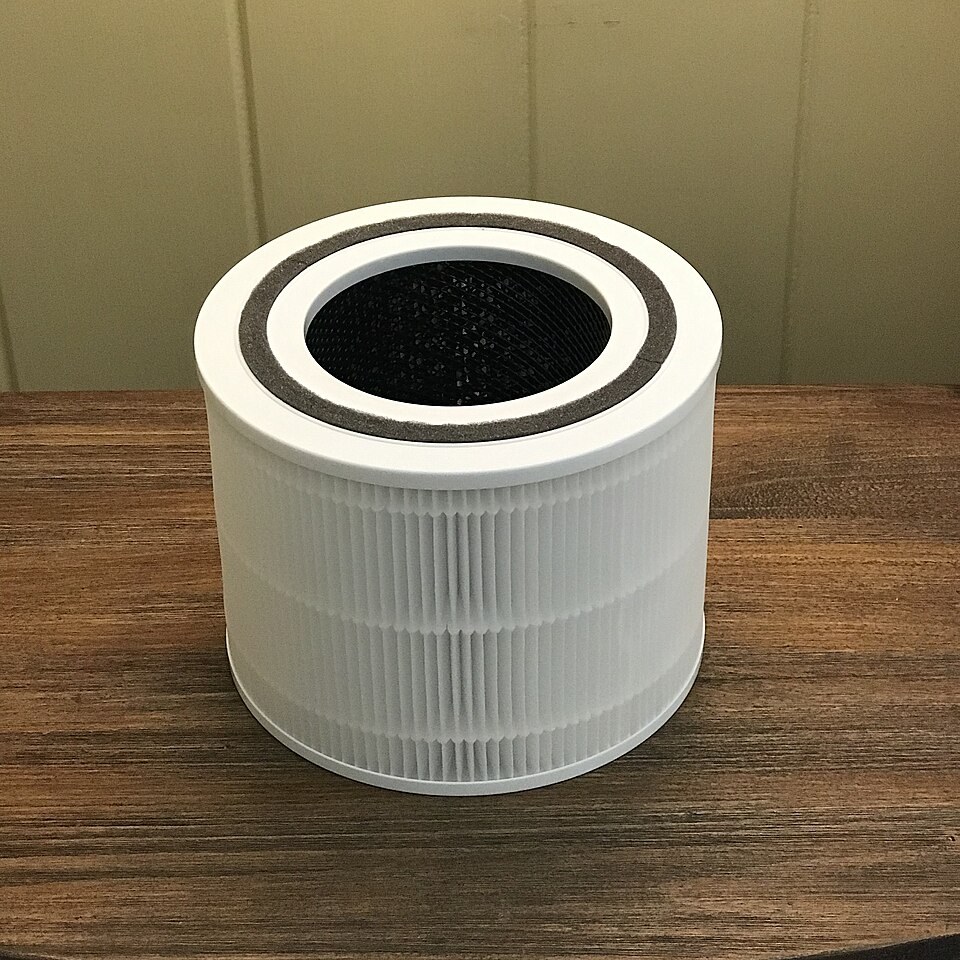
An ionic purifier works completely differently. It releases charged ions into the air that attach to particles, making them heavier so they fall out of the air onto surfaces — your furniture, floor, and walls, rather than being physically captured and removed. Some ionic units also generate ozone as a byproduct, intentionally or not.
The Ozone Problem Nobody Mentioned to Me
This was the part that actually changed my mind. EPA guidance warns that ozone can harm health, and notes that at concentrations that do not exceed public health standards, ozone has little potential to remove indoor air contaminants. My ionic unit didn’t advertise itself as an “ozone generator,” but several independent tests of similar models have found measurable ozone output during normal operation.
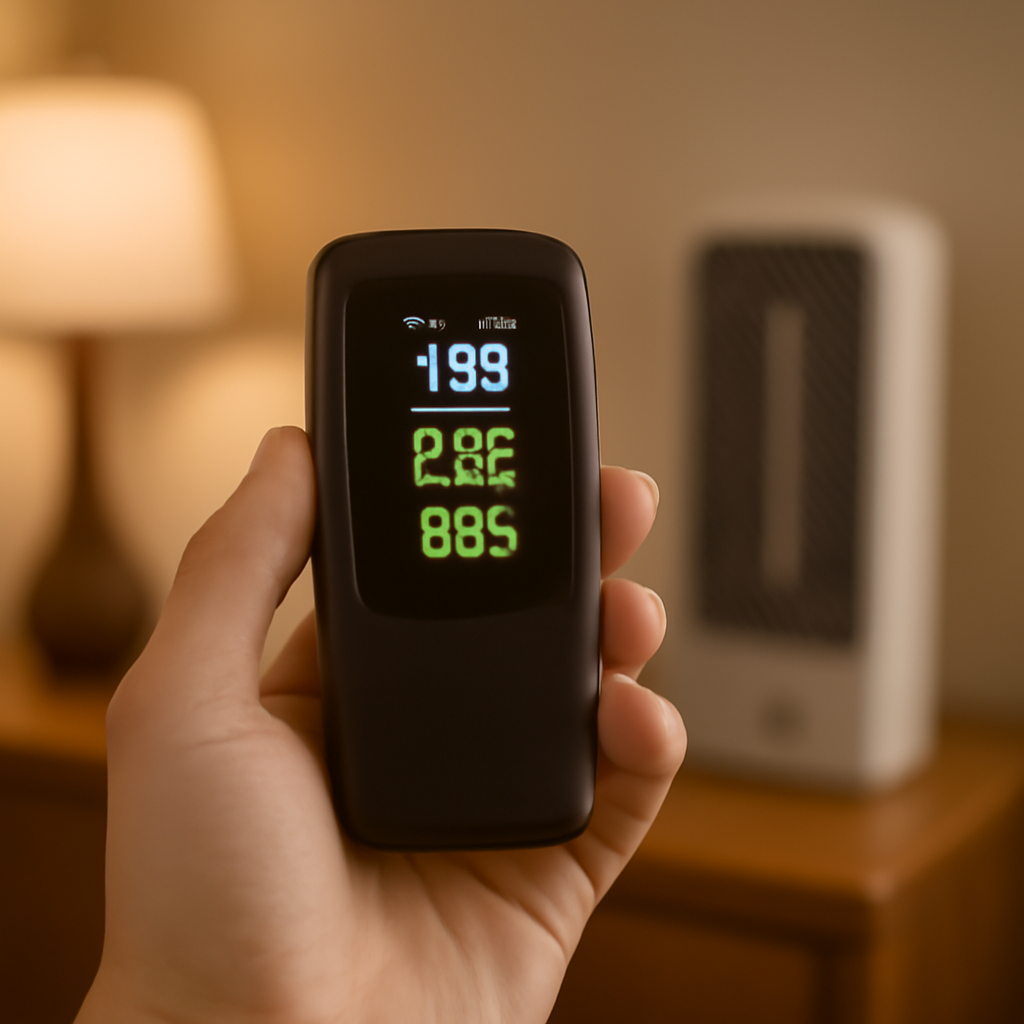
After I switched to a true HEPA unit, my chronic afternoon sneezing — which I’d assumed was just seasonal — noticeably eased within about two weeks. That’s obviously one household’s experience and not a clinical trial, but it lined up closely with what my allergist expected to happen.
Where Ionic Tech Still Has a Place
To be fair, not every ionic device is equal, and some newer designs pair ionization with an actual HEPA stage, capturing the settled particles rather than just relocating them to your furniture. If you’re considering one, look specifically for independent ozone-output test data, not just a marketing claim of “ozone-free,” since that distinction matters for anyone with asthma or other respiratory sensitivities in the house.
What I’d Actually Recommend
For anyone dealing with allergies, pet dander, or general dust, a true HEPA purifier is the more predictable, better-documented choice. It’s a mechanical process you can verify against a published filtration standard, not a chemical process with variable, sometimes unmeasured, byproducts. We tested a range of HEPA units for coverage area, noise, and filter cost in our HEPA air purifier reviews, including both budget and larger-room options.
What Changed for Me
I still think about that ionic purifier sitting in my closet, more as a $90 lesson than a working appliance at this point. The takeaway wasn’t that ionic technology is inherently dangerous — it’s that “air purifier” covers genuinely different mechanisms, and the label alone doesn’t tell you which one you’re getting. Reading the actual filtration method before buying saved me from repeating that mistake with my next purchase.
Maintenance and Real Ongoing Cost
The other thing nobody mentioned to me at the store: ionic purifiers are nearly maintenance-free because there’s no filter doing the work, but that’s precisely the problem — the pollutant is relocated, not removed, so you’re effectively dusting your furniture more often instead of cleaning your air. HEPA units need filter replacements every 6-12 months depending on usage and air quality, which is a real recurring cost, but it’s a cost tied directly to particles actually being captured and removed from your living space rather than redistributed onto surfaces.
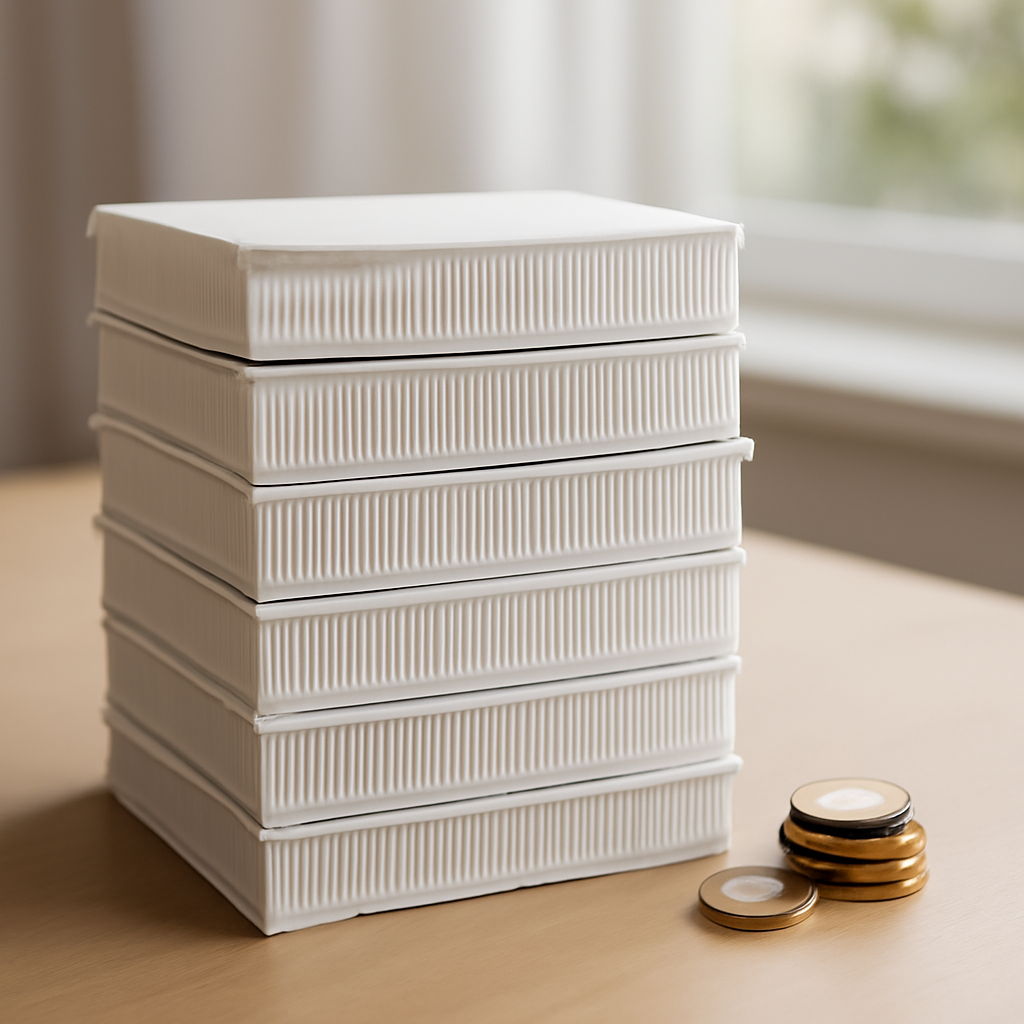
When I price-compared the two approaches over a full year, factoring in filter replacements against zero maintenance for the ionic unit, the gap was smaller than I expected. The HEPA unit’s ongoing filter cost was easily offset by not needing to wipe down surfaces as frequently, and by the fact that it was measurably doing what I bought an air purifier to do in the first place.
Quick Checklist Before You Buy Either Type
Look for “True HEPA” specifically, not just “HEPA-type” or “HEPA-like.” Those softer terms aren’t held to the same 99.97% capture standard and can mean anything.
Check for CARB certification if you’re in California, or independent ozone test data anywhere else. This is the most reliable way to confirm an ionic or ionizing-hybrid unit isn’t generating unsafe ozone levels.
Match the coverage area (CADR) to your actual room size, not just the manufacturer’s largest advertised square footage, which is often tested under ideal, unrealistic conditions.
Factor in filter replacement cost as part of the real price, not just the sticker price at checkout, since that’s the number that determines what you’ll actually spend over two or three years of ownership.
Categorised in: Air Purifier, Health Benefits