
Humidifier or Dehumidifier? How to Tell

A reader once told me she bought a humidifier for her damp basement, and the smell got worse. It is an easy mistake, since the two appliances sound similar and do opposite jobs. Before you buy either one during a seasonal sale, it is worth working out which problem you really have. This is the method I use.
Start With a Reading, Not a Guess
Buy a hygrometer and measure relative humidity in the rooms you care about. The U.S. Environmental Protection Agency says indoor humidity should ideally sit between 30 and 50 percent and stay below 60 percent, as explained in its mold and moisture guide. If your readings sit below that range, you need moisture. If they sit above it, you need to remove it.

Signs You Need a Humidifier
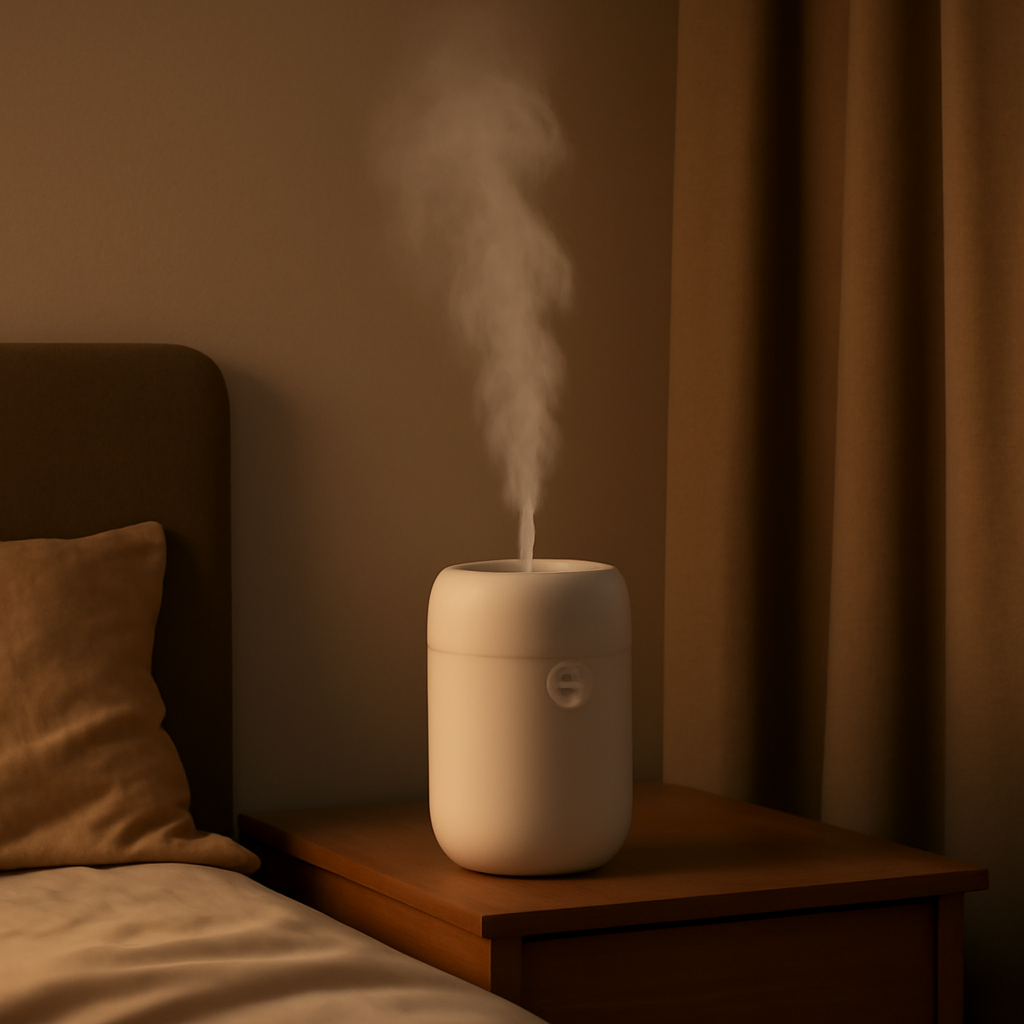
Dry skin, scratchy throats, static shocks, cracking wood furniture and gaps opening in flooring all point to air that is too dry. This usually happens in heated homes in cold climates. A humidifier restores moisture, and I compare the types in my whole-house humidifier reviews and in my buying guide.

Signs You Need a Dehumidifier
A musty smell, condensation on windows, damp corners, peeling paint and visible mold suggest too much moisture. Basements, crawl spaces and laundry areas are common trouble spots. A dehumidifier pulls water out of the air and is often the right tool. See my whole-house dehumidifier guide for sizing help.

What If Both Apply?
It happens more often than you would think. A house can have a damp basement and a dry bedroom upstairs. In that case, treat each area separately with the right appliance, rather than trying to balance the whole house with one device. Measure in each space so you are not guessing.
Fix the Cause Where You Can
An appliance manages a symptom, but the cause matters. Leaky pipes, poor drainage, clogged gutters and missing exhaust fans all add moisture. On the dry side, leaky ducts and very low outdoor temperatures pull moisture out of the home. Sealing and repairing is often cheaper than running a machine all winter.
Size and Placement Matter
A unit that is too small runs constantly and never catches up. A unit that is too large wastes energy and can overshoot. Check the coverage listed for each model against your room size, and place it away from walls and furniture so air can circulate. Keep humidifiers off wooden floors and out of reach of children and pets.
Keep It Clean or Skip It
Both appliances need regular maintenance. Humidifiers must be cleaned and refilled with fresh water, and dehumidifiers need their bucket or drain emptied and their filter washed. A neglected machine can make air quality worse. If you will not maintain it, choose a simpler option.
A Simple Decision Rule
If the reading is under 30 percent, add moisture. If it is over 50 percent and climbing, remove it. If it sits between 30 and 50 percent, do not buy anything. That last outcome surprises people, but it is the most common one, and it saves money. Recheck at the coldest and warmest points of the season, because readings shift with weather, cooking and how many people are home. Let the numbers make the decision for you, and your comfort will follow.
Health and Comfort Considerations
Very dry air can irritate the nose and throat, and very damp air encourages mold and dust mites, both of which can trouble people with allergies or asthma. If someone in your home has a respiratory condition, ask their doctor what humidity range suits them, since general advice may not fit every case. Keeping readings in the recommended range is a comfortable and sensible target for most households.
Running Costs and Noise
Look beyond the purchase decision. Both appliances draw electricity, and a dehumidifier working in a large damp space can run for hours. Check the energy rating and the noise level, especially for bedrooms. A quiet unit you will actually leave running is worth more than a loud one you switch off every night.
When to Call a Professional
If you see widespread mold, smell persistent dampness or notice water damage, an appliance will not solve the problem. Have a qualified contractor look at moisture sources, ventilation and structure. Treating the cause is safer and cheaper in the long run than running machines against a leak.
How I Would Shop the Sales
Measure first, decide which direction you need to move the humidity, then pick a model sized for the space. Read the reviews for noise, since you will live with it, and check how easy the filter or tank is to reach. If it is not obvious which appliance you need, a week of readings will settle it. Buy what your home is telling you it needs, not what the sale is pushing.
Related Posts:
Categorised in: Humidifier