Wildfire Smoke Indoors: How I Protected My Air

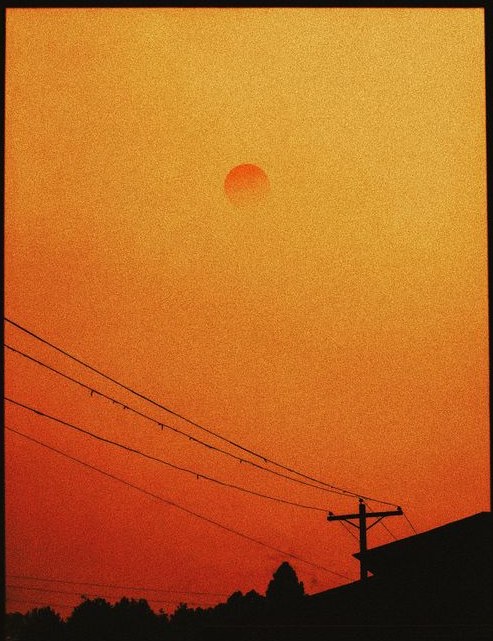
Three summers ago, smoke from a wildfire almost 200 miles away turned our sky orange for a week. I kept every window shut the entire time and still woke up with a scratchy throat by day three. That’s when I learned that “keeping windows closed” is nowhere near enough on its own.
Why Smoke Gets In Even With Everything Shut
Homes aren’t sealed boxes. Air exchanges through gaps around doors, attic vents, exhaust fans, and even electrical outlets, and wildfire smoke particles are small enough to ride that airflow right in. The CDC notes that wildfire smoke irritates the eyes, nose, throat and lungs, and that children and people with asthma, COPD or heart disease need to be especially careful. In my experience, indoor air during a smoke event is often only modestly cleaner than outdoor air unless you actively filter it.
Checking the Actual Number, Not Just the Haze
During that first smoke week, I was going by how orange the sky looked, which turned out to be a bad proxy. AirNow.gov, and checking it became a daily habit after that week. Once outdoor AQI crosses about 100, that’s the point where sensitive groups, and eventually everyone, start feeling real effects, even indoors.
What Actually Lowered My Indoor Readings
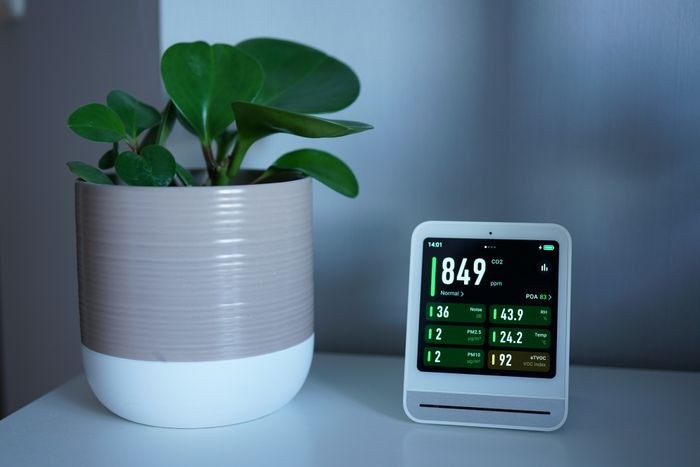
I bought a portable indoor air quality monitor the following year, mostly out of curiosity, and it confirmed something I hadn’t expected: even with windows shut, my living room PM2.5 readings crept up within hours of outdoor AQI spiking. Running a true HEPA air purifier on a higher fan speed during smoke events brought indoor particulate readings down measurably within about 30-45 minutes each time I tested it, based on my own monitor — not a lab result, but a consistent pattern across three separate smoke events since.
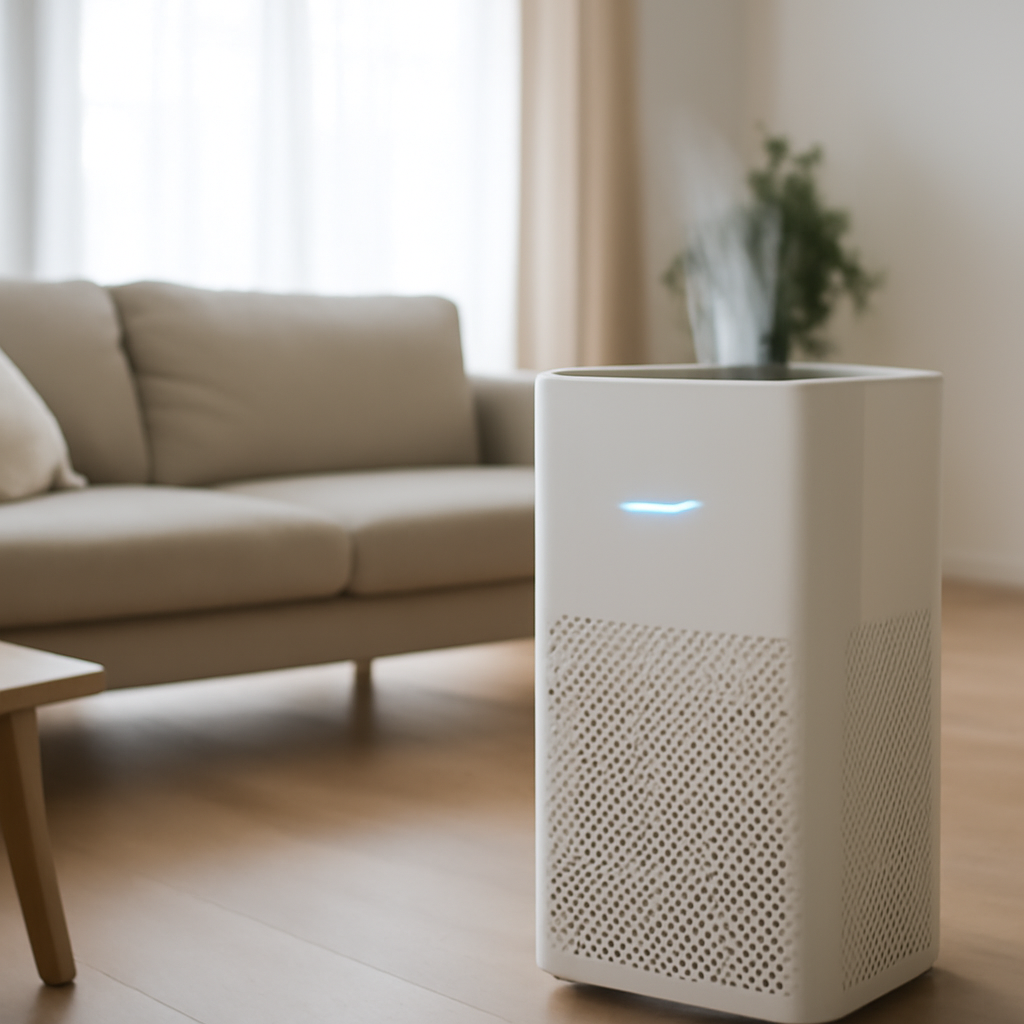
A few adjustments made a bigger difference than I expected:
Switching the HVAC fan to recirculate rather than pulling outdoor air, if your system has that option, keeps you from actively drawing smoke inward through the return vents.
Running the purifier continuously during smoke days, not just when it smells noticeable, since fine particulate matter is often present well before you can smell smoke at all.
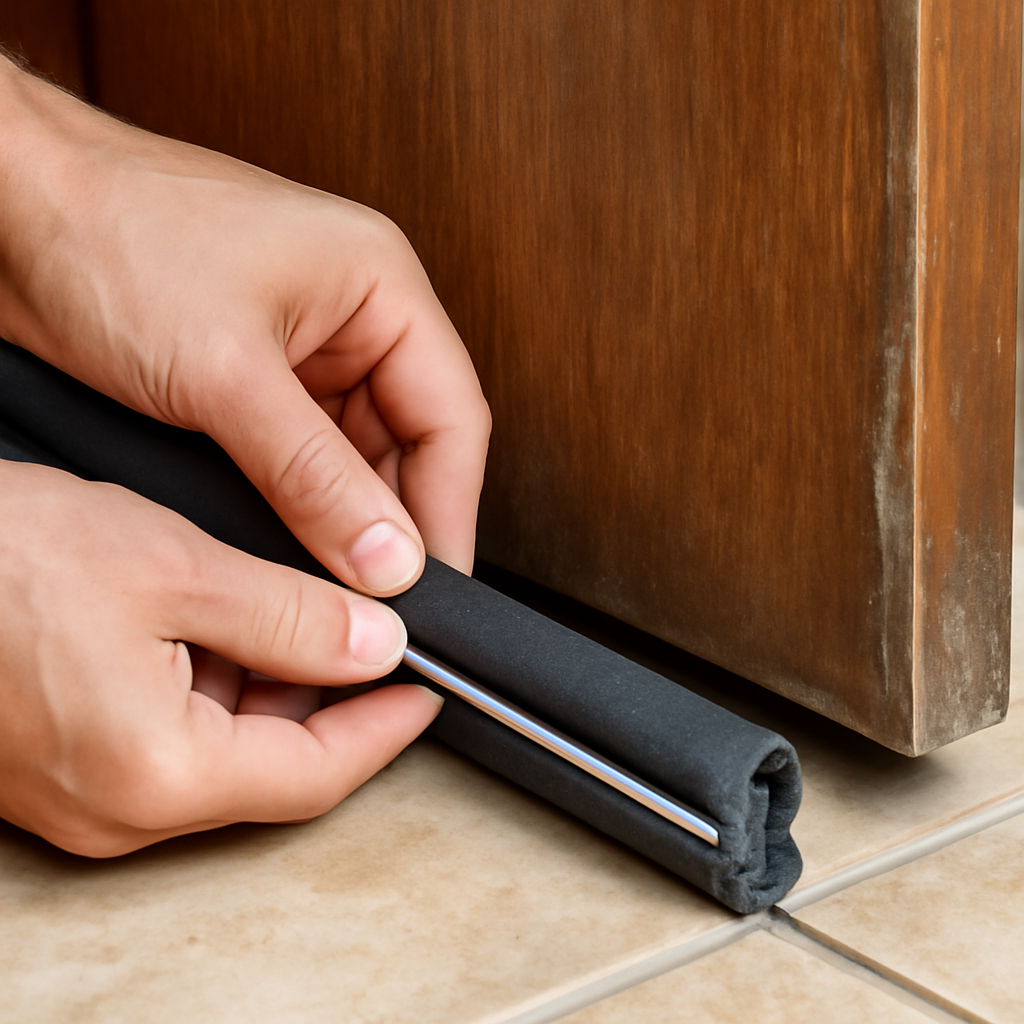
Sealing the most obvious gaps — door sweeps and exhaust fan covers made a small but real difference on my own monitor readings.
Choosing a Purifier With Smoke Days in Mind
Not every purifier is built for sustained heavy particulate load. Look for a genuine CADR (Clean Air Delivery Rate) rating for smoke specifically, not just dust or pollen, since wildfire smoke particles behave differently. We compared coverage area, filter longevity, and real CADR ratings across several models in our HEPA air purifier reviews, which is where I ended up finding the unit I now keep running every smoke season.
What I’d Tell Past Me
The version of me who just shut the windows and waited it out wasn’t wrong to do that — it just wasn’t the whole fix. Checking the actual AQI number, running real filtration, and treating “the sky looks a little hazy” as a signal to act rather than wait would have saved me that scratchy throat, and probably meant better sleep for that whole smoky week.
Who Should Take This Most Seriously
Not everyone reacts to smoke the same way, and it’s worth being honest about who’s most at risk. People with asthma, COPD, heart disease, older adults, young children, and pregnant women are all specifically flagged by health agencies as groups who should reduce outdoor exposure earlier and treat indoor filtration as a priority rather than an afterthought during smoke events. In my own household, that meant paying closer attention to my father-in-law’s breathing during visits that overlapped with smoke days, not just my own comfort.
Even for otherwise healthy adults, repeated exposure across multiple smoke events in a season adds up. I noticed my own throat irritation got worse each successive smoke week that summer, not better, which lines up with what respiratory health researchers describe as cumulative irritation rather than a one-off reaction you simply get used to.
Building a Simple Smoke-Season Routine
Bookmark AirNow.gov or a similar local AQI source and check it the way you’d check a weather forecast during fire season, not just when you can already smell smoke.
Keep purifier filters fresh going into smoke season specifically. A clogged filter from the previous year won’t move enough air to keep up with a genuine smoke event, even if it’s still technically functioning.
Create one “clean room” if a whole-house purifier isn’t in the budget yet — a bedroom with a single well-sized unit running continuously gives vulnerable household members somewhere to retreat during the worst air quality days.
Don’t rely on visual cues alone. My own experience taught me that a hazy sky and a genuinely dangerous AQI reading don’t always look as dramatic as you’d expect, especially a day or two after the smoke first rolls in and your eyes have adjusted to it.
Categorised in: Air Purifier, Health Benefits