
Winter Dry Air: 7 Signs You Need a Humidifier
Every November for three winters straight, I woke up with a bloody nose. I blamed allergies, then blamed my furnace, before I finally bought a $30 hygrometer and found the real culprit: my bedroom was sitting at 19% relative humidity. For context, the Mayo Clinic — I was less than half that.
Why Winter Air Gets So Dry Indoors
Cold outdoor air simply can’t hold much moisture. When your furnace heats that air up, its relative humidity crashes even further — often into the teens, even in a normally humid climate. The the EPA, precisely because we spend so much time indoors without noticing the slow drift.
The 7 Signs I Learned to Watch For
1. Static shocks on everything. If you’re shocking yourself on doorknobs, your car door, even your dog, your air is almost certainly under 30%.
2. Cracked wood furniture or flooring. Wood releases moisture into dry air and shrinks. I noticed a hairline gap open up between two floorboards in my hallway the same winter as my nosebleeds.
3. Waking up with a dry throat or nosebleeds. This was my personal alarm bell. Nasal passages dry out and crack in low humidity, which is exactly what happened to me.
4. Static-prone hair and flaky skin. My wife started using twice as much lotion that same season without connecting it to the house.
5. Houseplants drooping despite regular watering. Plants pull moisture from the air too, and many common houseplants struggle below 30% humidity no matter how often you water the soil.
6. A persistent, unexplained cough. Dry mucous membranes are less effective at trapping and clearing irritants, which is one reason respiratory symptoms often spike in winter.
7. Your thermostat “lying” to you. Dry air feels colder than humid air at the same temperature, so people running humidifiers often report being comfortable a degree or two lower — a real energy-bill side benefit I didn’t expect until I tracked it myself.
What Actually Fixed It
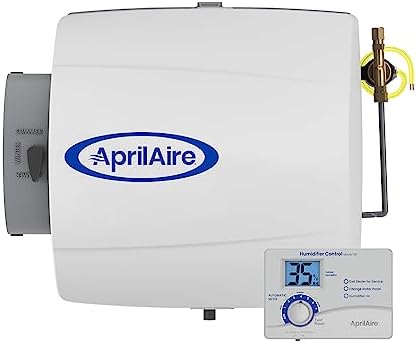
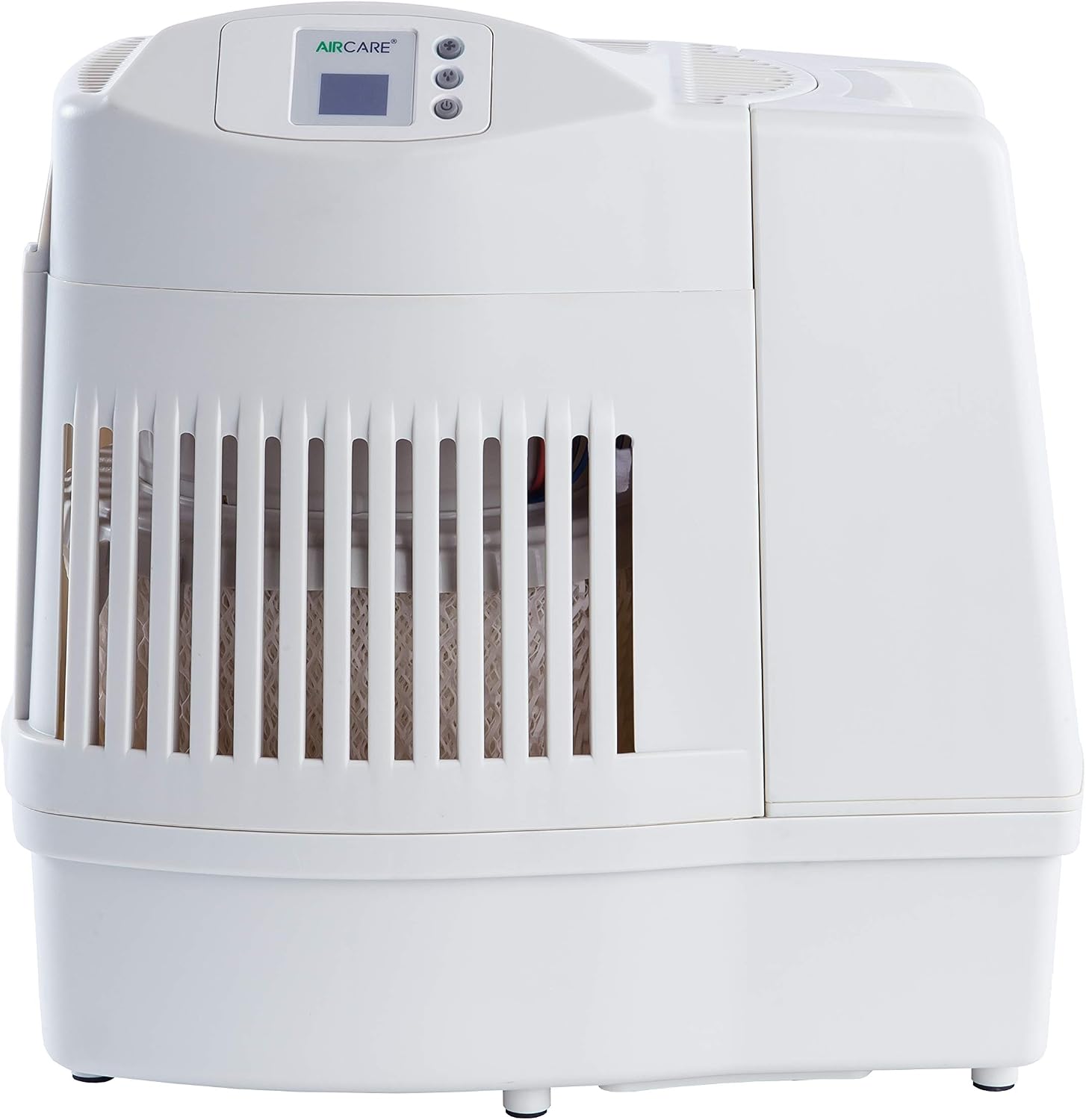
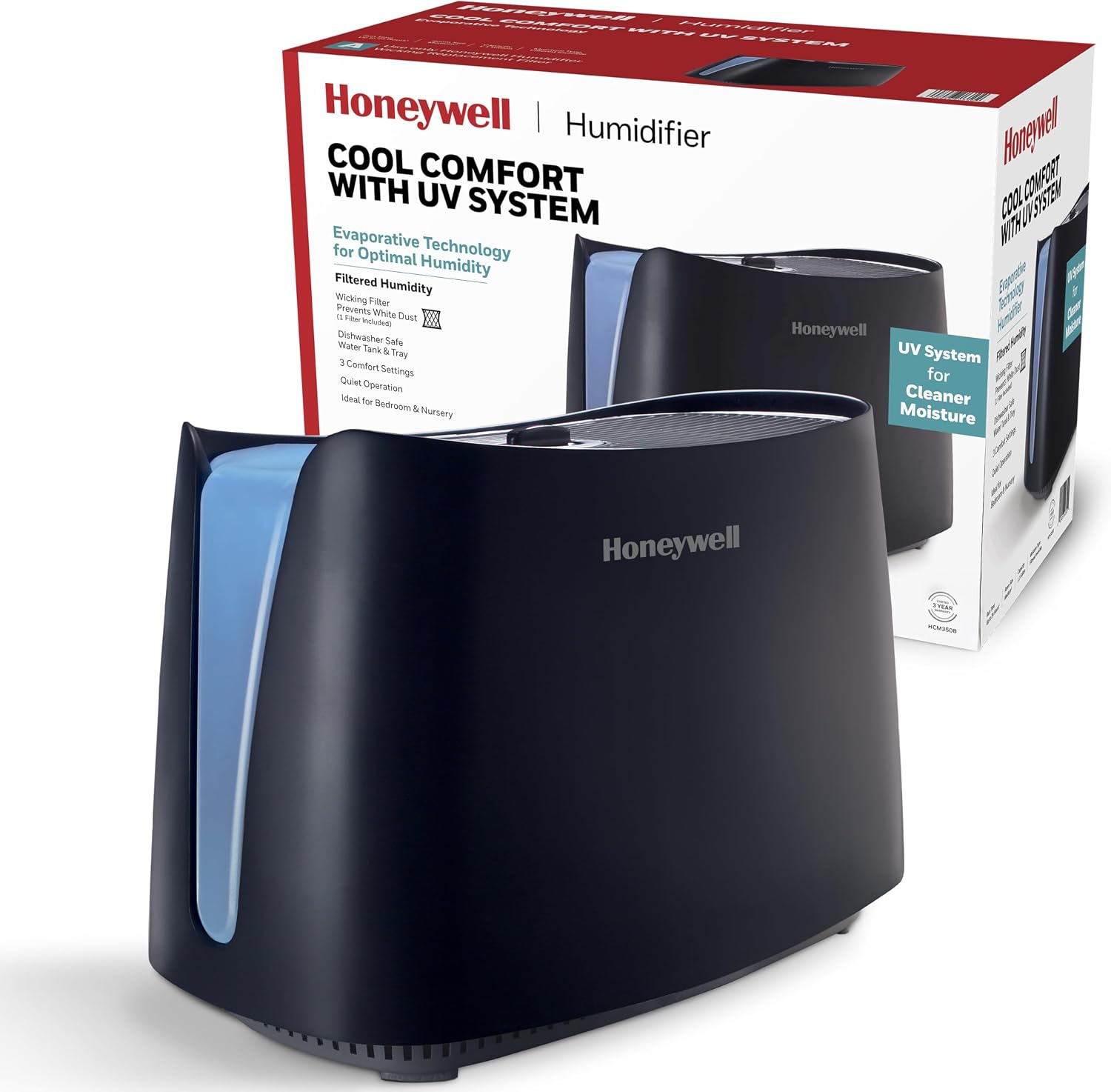
I tried a portable unit first. It helped my bedroom but did nothing for the rest of the house, and I was refilling a 1.5-gallon tank every single day. What actually solved the problem was switching to a furnace-mounted whole-house humidifier that ties into the existing ductwork and humidifies every room automatically, with a sensor that adjusts to outdoor temperature so it doesn’t overshoot and fog the windows. We put together a full breakdown of the models we tested, with real trade-offs on install time and coverage, in our whole-house humidifier reviews if you want to compare options rather than guess.
A Cheap Way to Check Your Own House Tonight
You don’t need to guess. A basic digital hygrometer costs less than a takeout dinner and gives you a real number in minutes. Check it in the room you sleep in specifically, since bedroom humidity is usually lower than the rest of the house overnight when the furnace cycles less. If you’re consistently under 30%, you’re not imagining the dry throat or the static shocks — the air itself is the problem, and it’s a fixable one.
The Bottom Line
Dry winter air isn’t just uncomfortable — it’s a measurable indoor air quality issue with real physical symptoms, and it’s one of the few home comfort problems you can actually verify with a $10 tool before spending a dollar fixing it. Once I saw my own number, the nosebleeds, the static, and the cracked floorboard all made sense at once. If your house is doing the same things mine was, it’s worth checking before winter gets deeper.
How Much Difference a Whole-House System Actually Makes
When I compared a week of portable-humidifier readings against a week after the furnace-mounted unit was installed, the difference wasn’t subtle. The portable kept my bedroom around 34% but the hallway and living room still sat in the low 20s. After the whole-house install, every room I checked, including the basement, landed between 35% and 42% without me touching a dial. That’s the practical gap between spot-treating one room and actually conditioning the air your furnace already moves through the whole house.
It’s also worth saying plainly: not every home needs the same fix. A one-bedroom apartment with a single portable unit refilled daily can absolutely hit a healthy range if you’re diligent. What changes the math is square footage and how many rooms you’re trying to keep comfortable at once — that’s the point where ductwork-based systems start paying for themselves in convenience alone.
Categorised in: Health Benefits, Humidifier